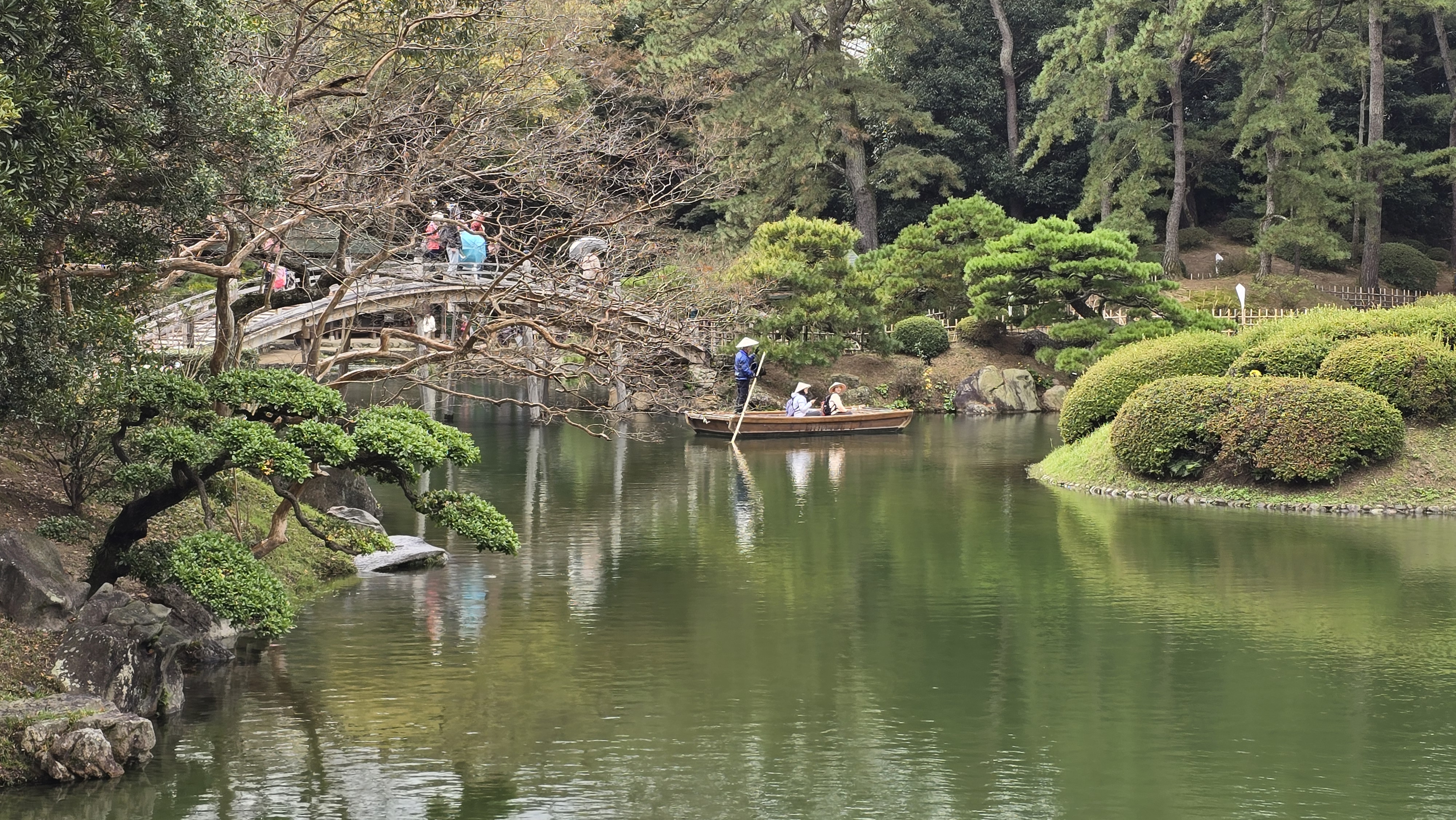
Experience Ritsurin: A Unique Wasan Boat Perspective
Hirahō's 飛来峰 Illuminated Panorama: An Evening Delight
The Michelin Green Guide Japan, like other Michelin Green Guides, awards a maximum of three stars to destinations. This rating system is designed to evaluate the worthiness of a site for travelers:
Three stars (⭐⭐⭐): "Worth a special journey" – the highest accolade, reserved for exceptional places that are considered must-visit destinations.
Two stars (⭐⭐): "Worth a detour" – indicates a site that is highly recommended if you're in the area.
One star (⭐): "Interesting" – denotes a place worth seeing if it's convenient.
Ritsurin Garden, located in Takamatsu City, Kagawa Prefecture, Japan, is a stunning example of a traditional Japanese strolling garden that has earned the prestigious three-star rating from the Michelin Green Guide Japan. This top rating signifies that the garden is considered "worth a special journey," a testament to its exceptional beauty, historical significance, and meticulous design.
Designed in the chisen-kaiyu-shiki (pond-strolling) style, Ritsurin Garden invites visitors to wander its paths, where the scenery shifts with each step—a concept known as ippo ikkei ("one step, one view"). The garden incorporates the "borrowed scenery" technique (shakkei), using Mount Shiun as a natural backdrop to enhance its aesthetic appeal. Highlights include the picturesque South Pond (Nanko), the crescent-shaped Engetsukyo Bridge, and the Kikugetsu-tei Teahouse, where visitors can enjoy matcha tea while soaking in the tranquil surroundings.
Nightfall at Hirahō飛来峰: A Stunning View (YouTube link)
On this autumn day, I visited Ritsurin Garden during the daytime and the evening, using the same entrance ticket. Note that evening opening was a special event during the autumn colors season or other occasions. The photos below are a testament to my special journey through the garden's strolling path.
TL;DR: T‑10 is gone — Barcelona now uses the T‑mobilitat system. The best tourist ticket is the T‑Casual (10 rides, Zone 1), but it does not cover the Airport Metro (L9 Sud) or the Aerobús. If you land at T1, skip buying transit tickets at the airport and take the Aerobús into the city first. Once you reach the city center and drop your bags, buy your T‑Casual from any Metro station vending machine and start using it for all your Barcelona travel. How to Buy and Use Barcelona's NEW Contactless Transport Cards (YouTube link) Barcelona has officially retired the old T‑10 paper ticket . Since 2020, the city has transitioned to T‑mobilitat , a modern contactless system used across the metro, buses, trams, FGC, and RENFE trains. If you’re reading older guides, you’ll still see references to the T‑10 — but as of 2026, the T‑Casual and other T‑mobilitat tickets have fully replaced it. For most visitors, the T‑Casual remains the easiest and most affordable way to get around Barcelona. Th...
This is a passageway leading to Nankai-Namba Station. Be aware that underground passages in Japan can be quite complex for visitors. When you arrive at Kansai International Airport (symbol: KIX) and try to reach your destinations via trains, sometimes you need to make connections at Namba Station (see Fig. 2). Namba Station is one of the main connection points (the other two are Umeda and Tennoji Stations). But, Namba Station actually means 4 different stations on Google map (see Fig. 3&4) : Namba Station (Subway): This station provides access to the Osaka Metro lines: Midosuji (see Fig. 4), Sennichimae , and Yotsubashi . These lines can take you to popular destinations like Osaka Station, Koreatown, Honmachi, and Nippombashi. JR-Namba Station: This smaller station has only four tracks and two platforms. It's located within the Osaka City Air Terminal (OCAT) building, and the entrance can be easy to miss. Thankfully, it's connected to the ...
Hagi City , Yamaguchi Prefecture, Japan, is a UNESCO World Heritage Site renowned for its maritime and historical significance, particularly from the Edo period and Meiji Restoration . This coastal town captivates with its well-preserved samurai districts, pine-lined roads, clear waterways, and serene ambiance, evoking a nostalgic journey back in time. Historical figures like Yoshida Shoin and Shinsaku Takasugi shaped its legacy. Cycling, boat trips, temple visits, and local specialties like summer tangerines and Hagi ware highlight Hagi’s charm. Hidden gems like Tokoji Temple make it a must-visit for an authentic, enriching experience. Japan’s Timeless Beauty – 2 Days in Hagi, a World Heritage Town (YouTube link ) Things to Do Boat Trip: A 40-minute sightseeing boat tour provides a unique perspective of Hagi, with reflections on the town’s historical significance during the ride. Bicycle Rental: You can rent a bike at the station, which is a recommended way to explore Hagi. C...