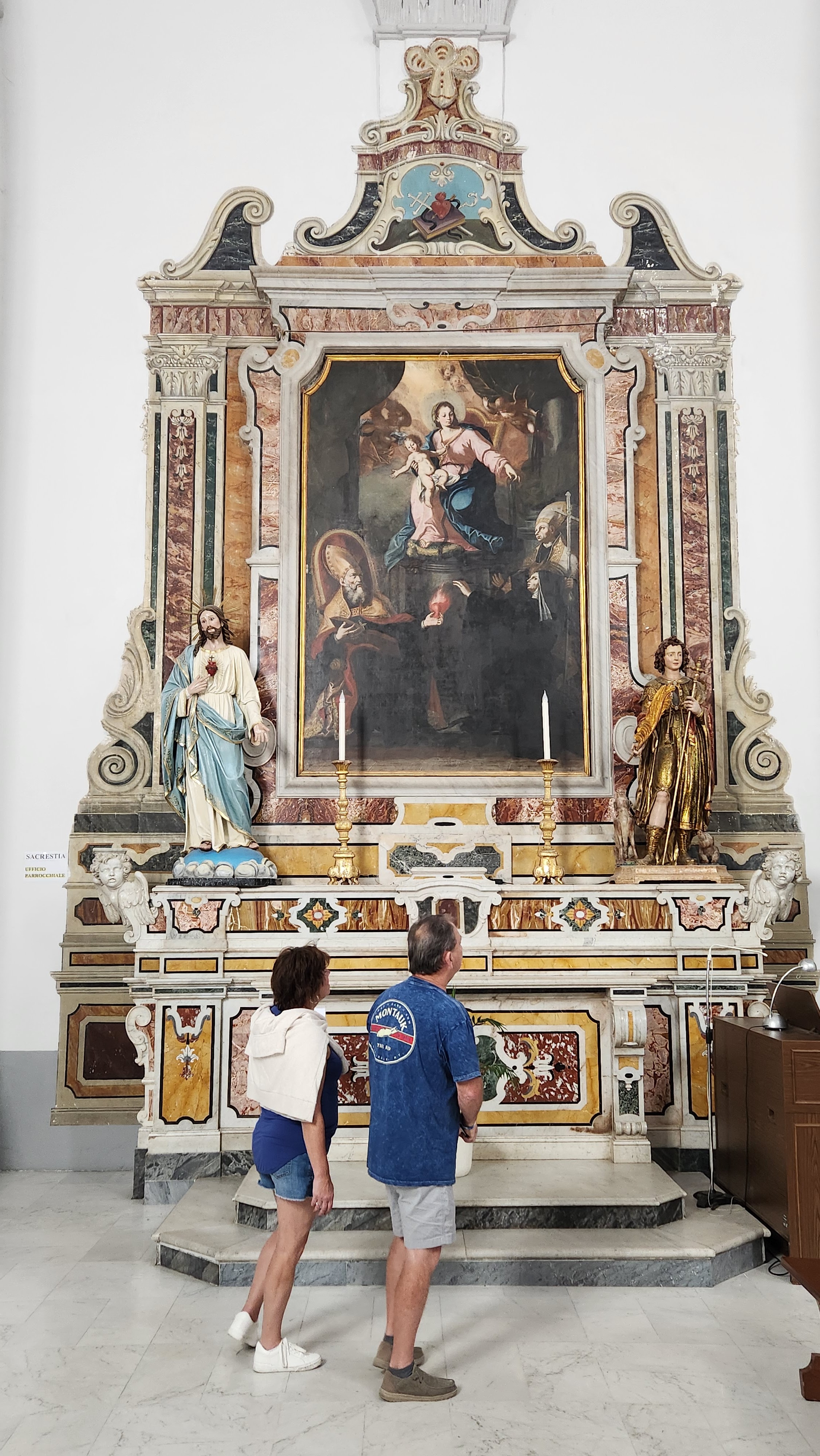
Matera⭐⭐, located in the Basilicata region of southern Italy, is widely considered to be the oldest continuously inhabited city in Italy and possibly in Europe. Archaeological evidence suggests that the area around Matera has been settled since the Paleolithic period, over 10,000 years ago. The city's ancient cave dwellings, known as the Sassi, were first inhabited around 9,000 years ago and are believed to be among the earliest human settlements in what is now Italy.
Matera provides a captivating window into the distant past, rightfully earning its place on the UNESCO World Heritage List. These remarkable cave dwellings have been transformed into a vibrant hub of unique hotels, restaurants, and shops.
Photo Gallery
Beneath the warm Italian sun of October 22, 2023, we embark on a journey through time, venturing into the heart of Matera's ancient Sassi, cave dwellings that whisper tales of a forgotten era.
TL;DR: T‑10 is gone — Barcelona now uses the T‑mobilitat system. The best tourist ticket is the T‑Casual (10 rides, Zone 1), but it does not cover the Airport Metro (L9 Sud) or the Aerobús. If you land at T1, skip buying transit tickets at the airport and take the Aerobús into the city first. Once you reach the city center and drop your bags, buy your T‑Casual from any Metro station vending machine and start using it for all your Barcelona travel. How to Buy and Use Barcelona's NEW Contactless Transport Cards (YouTube link) Barcelona has officially retired the old T‑10 paper ticket . Since 2020, the city has transitioned to T‑mobilitat , a modern contactless system used across the metro, buses, trams, FGC, and RENFE trains. If you’re reading older guides, you’ll still see references to the T‑10 — but as of 2026, the T‑Casual and other T‑mobilitat tickets have fully replaced it. For most visitors, the T‑Casual remains the easiest and most affordable way to get around Barcelona. Th...
This is a passageway leading to Nankai-Namba Station. Be aware that underground passages in Japan can be quite complex for visitors. When you arrive at Kansai International Airport (symbol: KIX) and try to reach your destinations via trains, sometimes you need to make connections at Namba Station (see Fig. 2). Namba Station is one of the main connection points (the other two are Umeda and Tennoji Stations). But, Namba Station actually means 4 different stations on Google map (see Fig. 3&4) : Namba Station (Subway): This station provides access to the Osaka Metro lines: Midosuji (see Fig. 4), Sennichimae , and Yotsubashi . These lines can take you to popular destinations like Osaka Station, Koreatown, Honmachi, and Nippombashi. JR-Namba Station: This smaller station has only four tracks and two platforms. It's located within the Osaka City Air Terminal (OCAT) building, and the entrance can be easy to miss. Thankfully, it's connected to the ...
Hagi City , Yamaguchi Prefecture, Japan, is a UNESCO World Heritage Site renowned for its maritime and historical significance, particularly from the Edo period and Meiji Restoration . This coastal town captivates with its well-preserved samurai districts, pine-lined roads, clear waterways, and serene ambiance, evoking a nostalgic journey back in time. Historical figures like Yoshida Shoin and Shinsaku Takasugi shaped its legacy. Cycling, boat trips, temple visits, and local specialties like summer tangerines and Hagi ware highlight Hagi’s charm. Hidden gems like Tokoji Temple make it a must-visit for an authentic, enriching experience. Japan’s Timeless Beauty – 2 Days in Hagi, a World Heritage Town (YouTube link ) Things to Do Boat Trip: A 40-minute sightseeing boat tour provides a unique perspective of Hagi, with reflections on the town’s historical significance during the ride. Bicycle Rental: You can rent a bike at the station, which is a recommended way to explore Hagi. C...